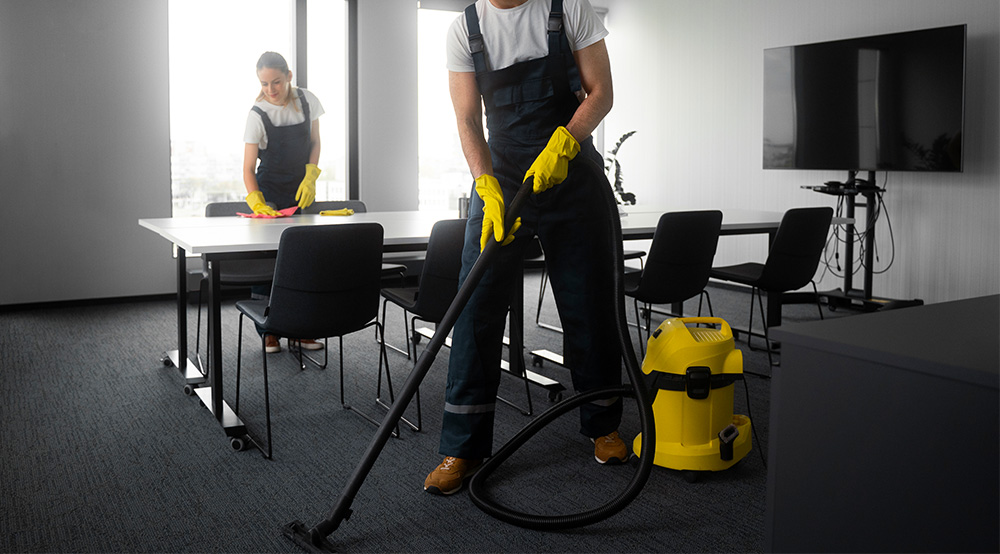
Why is professional office hygiene becoming a critical factor in business performance today? In competitive corporate environments, cleanliness directly influences productivity, employee well-being, and client perception. Businesses increasingly recognize that maintaining a structured and hygienic workspace is not just an operational necessity but a strategic advantage. A reliable cleaning service in Tallinn plays a vital role in ensuring that office environments remain consistently clean, organized, and conducive to high-performance work culture.
What does workplace data reveal about the importance of office cleanliness?
Statistical workplace insights consistently show that clean offices contribute to improved employee efficiency and reduced absenteeism. When hygiene standards are maintained at a high level, employees experience fewer health-related disruptions and demonstrate stronger focus throughout the workday. Clean environments also reduce stress levels, leading to better decision-making and improved collaboration among teams. These measurable outcomes highlight the strong connection between cleanliness and workplace productivity.
How does a professional cleaning service improve B2B office operations?
B2B cleaning services are designed specifically for structured corporate environments where consistency and reliability are essential. Unlike general cleaning approaches, professional office cleaning follows planned schedules and standardized procedures tailored to business needs. This includes regular sanitation of workstations, maintenance of shared areas, and detailed cleaning of high-contact surfaces. The goal is to ensure uninterrupted operations while maintaining a consistently hygienic workspace.
What makes office cleaning in business environments different from residential cleaning?
Office environments require a more systematic and scalable approach due to higher foot traffic and shared usage of facilities. Workspaces, meeting rooms, and communal areas experience continuous activity throughout the day, requiring frequent and targeted cleaning interventions. Professional cleaning services focus on efficiency, discretion, and adaptability, ensuring that business activities continue smoothly without disruption.
Which areas of an office require the highest cleaning priority?
Workplace hygiene studies show that reception areas, conference rooms, kitchens, and restrooms accumulate the highest levels of daily use and contamination risk. These spaces require more frequent sanitation to maintain a professional and safe environment. Workstations and shared devices such as printers and communication equipment also require consistent attention to prevent the spread of germs and maintain overall office hygiene standards.
How often should office cleaning services be scheduled for optimal results?
The ideal frequency depends on business size, employee density, and operational activity. However, most corporate environments benefit from daily cleaning of high-traffic zones combined with scheduled deep cleaning sessions throughout the week. Regular cleaning cycles ensure that hygiene levels remain stable, preventing buildup of dust and bacteria while maintaining a consistently professional appearance.
What methods and technologies are commonly used in modern office cleaning?
Professional cleaning services utilize advanced equipment and efficient cleaning techniques designed for commercial environments. Microfiber technology, HEPA-filter vacuum systems, and eco-friendly disinfectants are widely used to ensure deep and effective sanitation. These methods not only improve cleanliness but also support healthier indoor air quality, which contributes to employee comfort and well-being.
How does workplace cleanliness impact productivity statistics?
Research-based workplace analysis consistently shows that employees perform better in clean and organized environments. Productivity increases when distractions caused by clutter or unclean surroundings are minimized. Additionally, clean workplaces reduce absenteeism caused by illness, ensuring better workforce availability and more consistent operational output across teams and departments.
What financial advantages come from maintaining professional office cleaning services?
Investing in structured cleaning solutions helps businesses reduce long-term maintenance and replacement costs. Regular care extends the lifespan of office furniture, flooring, and equipment by preventing premature wear. Furthermore, healthier work environments lead to fewer sick days, which directly improves workforce efficiency and reduces indirect operational losses over time.
How are cleaning services customized for different office environments?
Every office has unique requirements based on size, industry, and workflow structure. Professional cleaning providers assess these factors before designing tailored service plans. Cleaning schedules are aligned with business hours to minimize disruption, while specific attention is given to high-use areas based on internal movement patterns. This customized approach ensures maximum efficiency and consistency in service delivery.
Why is professional office cleaning considered a long-term business asset?
A clean and well-maintained office reflects professionalism, discipline, and organizational strength. It enhances client confidence and creates a positive impression of the company. Internally, it supports employee morale, reduces workplace stress, and fosters a healthier working environment. Over time, these benefits contribute to stronger business reputation and improved operational stability.
Conclusion
Professional office cleaning services are an essential component of modern business success. From improving employee productivity and reducing health risks to enhancing corporate image and lowering maintenance costs, the advantages are both measurable and long-lasting. A structured and reliable cleaning service in Tallinn ensures that workplaces remain consistently hygienic, efficient, and welcoming. Ultimately, clean office environments support stronger business performance, healthier teams, and sustainable organizational growth.