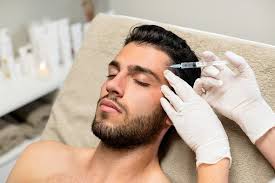
Skincare technology is advancing rapidly, shifting away from invasive surgical operations toward natural, regenerative therapies. Patients seeking to harness their body’s own healing properties often look for a prp facial near me to achieve a youthful glow without extensive downtime. This treatment uses concentrated platelets from your own blood to stimulate collagen production and cellular turnover. By utilizing the body’s natural resources, dermatologists can help patients achieve smoother, firmer skin.
The demand for non-surgical cosmetic procedures has surged over the last decade. Recent industry reports indicate that minimally invasive treatments now account for the vast majority of cosmetic procedures performed annually. Platelet-Rich Plasma therapy sits at the forefront of this trend. It offers a unique approach to anti-aging and skin health by accelerating the body’s natural healing mechanisms.
Understanding the data and the science behind the procedure helps patients make informed decisions about their skin health. This guide answers the most common questions surrounding this popular treatment, backed by clinical insights and statistical trends in aesthetic medicine.
What Exactly is a Platelet-Rich Plasma Treatment?
A Platelet-Rich Plasma treatment involves extracting a small amount of the patient’s blood, which is then spun in a centrifuge. This machine separates the red blood cells from the plasma, concentrating the platelets. These platelets are rich in growth factors. The concentrated plasma is then applied to the face, often in conjunction with microneedling.
The microneedling process creates micro-injuries in the skin. This allows the plasma to penetrate deeply into the dermis. Once absorbed, the growth factors trigger the production of new collagen and elastin. This biological response helps repair damaged tissue, reduce the appearance of fine lines, and improve overall skin texture.
What Do the Statistics Say About PRP Efficacy?
Clinical studies and patient satisfaction surveys highlight the effectiveness of regenerative skin therapies. Dermatological research shows that treatments combining microneedling with concentrated plasma yield significantly higher satisfaction rates compared to microneedling alone.
Data indicates that patients typically observe a noticeable improvement in skin texture and tone within three to four weeks post-treatment. Furthermore, surveys conducted among cosmetic dermatology patients reveal that over 80% report visible reductions in acne scarring and hyperpigmentation after a series of three sessions. The sustained increase in collagen production means that results often continue to improve for several months.
Who is the Ideal Candidate for This Procedure?
Because the procedure utilizes the patient’s own biological material, the risk of allergic reactions is exceptionally low. This makes it a suitable option for a wide demographic. The ideal candidate is someone looking to address early signs of aging, uneven skin tone, or acne scars without resorting to synthetic fillers or invasive surgery.
Patients with certain blood disorders, active facial infections, or those taking specific blood-thinning medications may need to explore alternative treatments. A thorough consultation with a board-certified dermatologist is necessary to evaluate individual medical histories and determine suitability.
How Long Does the Procedure Take and What is the Downtime?
Time efficiency is a major factor driving the popularity of this treatment among busy professionals. The entire appointment generally takes about 45 minutes to an hour. The blood draw and centrifugation process take roughly 15 minutes, while the topical application and microneedling take another 30 minutes.
Statistically, patients experience minimal downtime. Most individuals report mild redness and swelling, similar to a moderate sunburn, lasting for 24 to 48 hours. By the third day, the skin typically returns to its normal color, though minor peeling can occur as the cellular turnover process accelerates. Dermatologists recommend avoiding direct sun exposure and rigorous exercise for the first few days following the appointment.
What Are the Expected Costs and Financial Statistics?
The financial investment for aesthetic treatments varies based on geographic location, clinic reputation, and the specific protocols used. On average, the cost of a single session ranges from $500 to $1,300.
Aesthetic market analysis shows that many clinics offer package deals, which can reduce the per-session cost by 15% to 20%. Since optimal results often require a series of three to six treatments spaced a month apart, patients are encouraged to inquire about comprehensive treatment plans. While the upfront cost may appear higher than standard facials, the long-lasting collagen stimulation offers a high return on investment for long-term skin health.
How Can Patients Maximize Their Rejuvenation Results?
Achieving the best possible outcome requires a commitment to post-treatment care. The biological processes triggered by the plasma need a healthy environment to flourish.
Hydration plays a critical role in cellular regeneration. Drinking plenty of water helps flush out toxins and supports the newly forming collagen structures. Additionally, adopting a skincare routine rich in antioxidants and hyaluronic acid can enhance moisture retention. Sun protection is absolutely vital. Daily application of a broad-spectrum SPF 30 or higher prevents ultraviolet rays from degrading the new collagen.
Patients who maintain a balanced diet rich in vitamins C and E also report faster healing times and more prolonged results. Nutritional data supports the idea that skin health is heavily influenced by internal factors, making lifestyle choices a crucial component of aesthetic maintenance.
Taking the Next Step Toward Healthier Skin
Regenerative aesthetics represents a significant leap forward in non-surgical skincare. By utilizing your body’s intrinsic healing capabilities, you can achieve a radiant, youthful complexion safely and effectively.
If you are considering this procedure, the most important next step is scheduling a consultation with a certified professional. They will assess your specific skin concerns, review your medical history, and design a customized treatment plan tailored to your goals. Begin your journey toward optimal skin health by researching reputable clinics in your area and reading patient reviews.