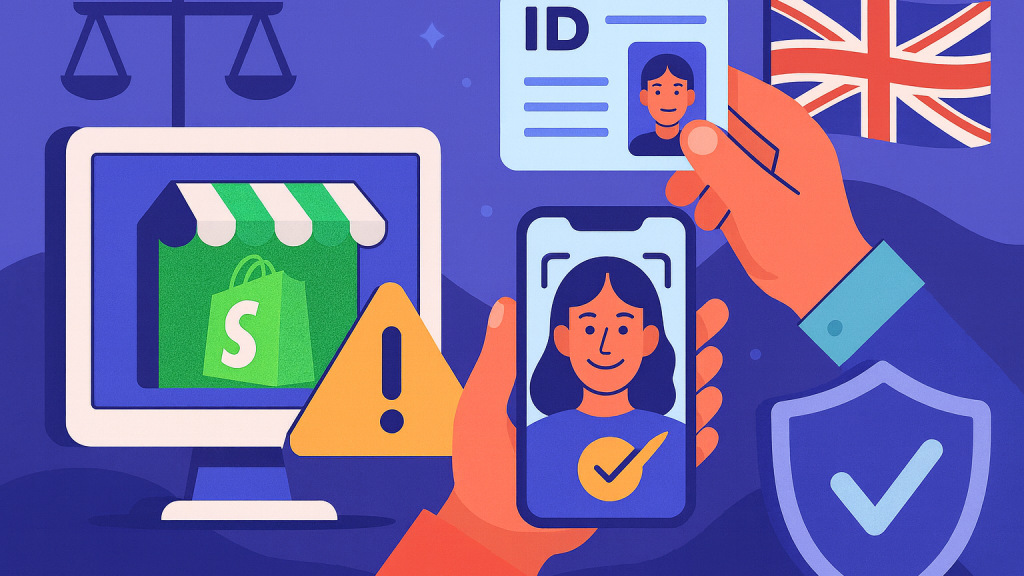
Why Age Verification Matters for Digital Content Providers
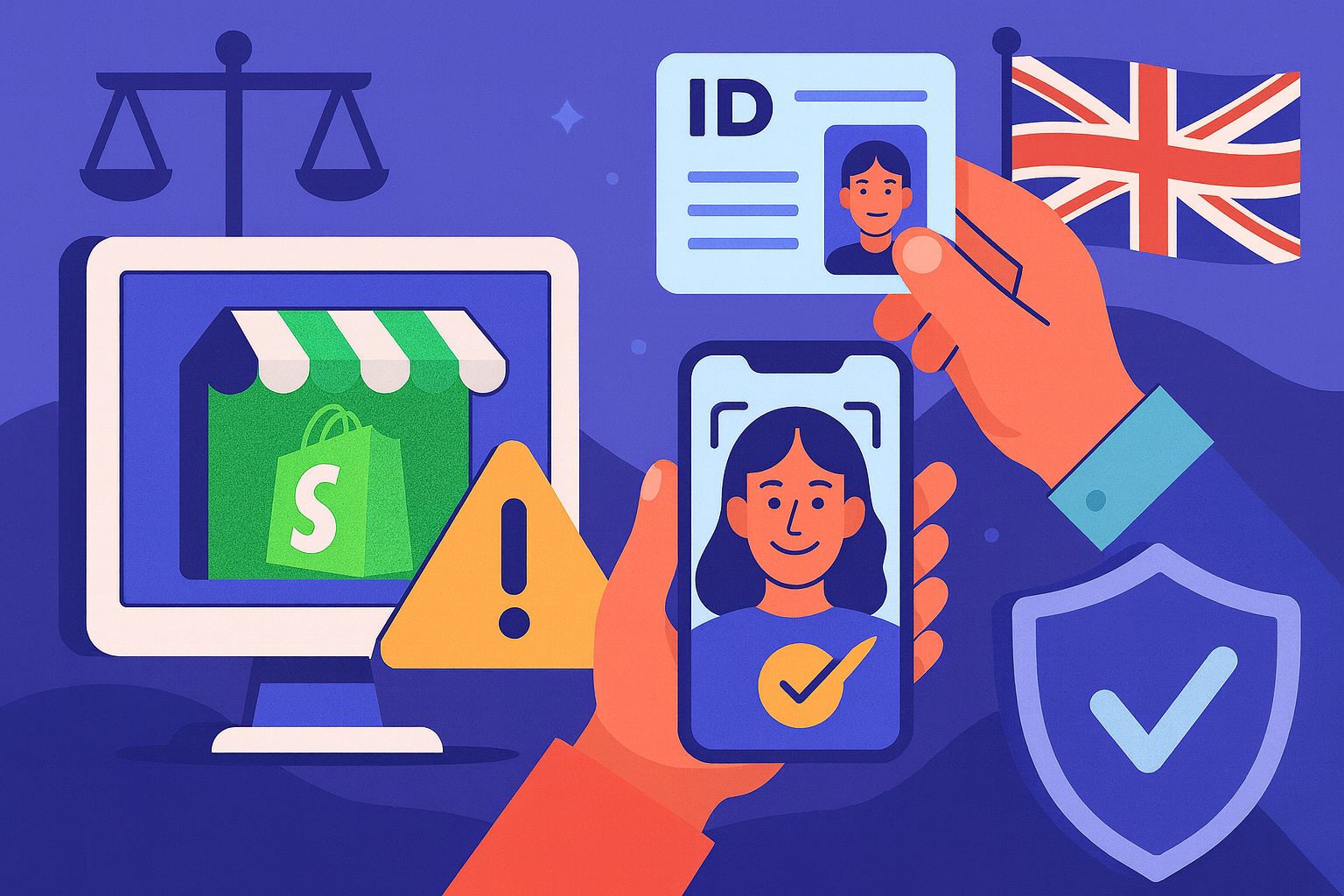
Age verification is the process of confirming that a user meets the minimum age requirements to access specific online content. Digital content providers, including streaming services, gaming platforms, social media sites, and e-commerce stores selling age-restricted products, face significant legal and ethical obligations to implement these systems. But why is it becoming increasingly important? Statistics show that underage users are engaging with restricted digital content more than ever, with surveys indicating that a notable percentage of teens access adult content online despite age restrictions. This highlights the urgent need for reliable Age Verification systems.
How Does Age Verification Protect Your Business?
One of the primary reasons age verification is essential for digital content providers is legal compliance. Governments around the world have introduced strict regulations to ensure that minors are not exposed to inappropriate content. Non-compliance can lead to hefty fines, lawsuits, and reputational damage. For instance, recent studies show that companies failing to implement proper age verification face up to 40% higher risk of regulatory penalties. By verifying users’ ages, digital content providers can mitigate these risks, protecting both their finances and brand image.
Additionally, age verification protects against fraud. Many platforms offer premium services or content subscriptions. Verifying age and identity simultaneously reduces the likelihood of fraudulent accounts, ensuring that revenue streams remain secure. In statistics-based studies, businesses with robust age verification systems reported a 25% reduction in fraudulent sign-ups compared to those without verification processes.
What Are the Risks of Ignoring Age Verification?
Failing to implement age verification can expose digital content providers to a variety of risks. Legal repercussions are the most immediate, but reputational damage can have long-term consequences. Social media platforms and streaming services, for instance, are often in the spotlight for underage user engagement. Reports indicate that negative publicity can decrease user trust by up to 30%, directly affecting growth and user retention.
Security risks also increase. Without proper age verification, malicious actors can create fake accounts, exploit promotional offers, or access restricted services. A study on online gaming platforms revealed that over 20% of fraudulent accounts were linked to a lack of verification procedures. This not only impacts revenue but also user experience, as genuine users face higher chances of encountering bots or abusive behaviors.
Which Industries Benefit the Most from Age Verification?
While age verification is crucial for adult entertainment, gaming, and alcohol sales, its relevance extends to broader digital content. E-learning platforms, forums discussing sensitive topics, and social networking apps can benefit by ensuring that content reaches an appropriate audience. Statistics indicate that platforms adopting age verification experience fewer content-related complaints and higher user satisfaction.
For example, gaming companies reported a 15% drop in negative reviews from concerned parents after implementing robust age checks. Similarly, streaming platforms with verified user bases have seen a 20% increase in subscription renewal rates, demonstrating that trust translates to better engagement and revenue.
How Can Age Verification Improve User Trust?
User trust is a critical factor for digital content providers. In the digital age, consumers are increasingly aware of privacy, safety, and responsible content consumption. Implementing age verification communicates a company’s commitment to ethical standards and user protection. Surveys suggest that platforms offering verified accounts are perceived as 35% more trustworthy by users compared to unverified alternatives.
Additionally, age verification can enhance personalization. By accurately knowing user demographics, content providers can tailor recommendations and experiences without violating privacy or exposing minors to inappropriate materials. Data-driven personalization backed by secure verification has been shown to increase user engagement by up to 25%, according to recent industry reports.
What Are the Different Methods of Age Verification?
Age verification is not a one-size-fits-all solution. Digital content providers can choose from several methods depending on their needs and compliance requirements:
- Document Verification: Users provide government-issued IDs or official documents. This method is highly reliable and widely used in industries like gambling and e-commerce.
- Knowledge-Based Authentication (KBA): Users answer questions based on public records. This method is less intrusive but may be less accurate in some regions.
- Biometric Verification: Facial recognition or fingerprint scanning is used to confirm age. While highly secure, it requires careful handling of sensitive personal data to comply with privacy laws.
- Third-Party Verification Services: External providers specialize in verifying user age, offering convenience and compliance expertise for content providers.
Each method has trade-offs between user experience, cost, and regulatory compliance. Businesses must evaluate which system aligns with their operational model and legal obligations.
Why Are Statistics Important in Choosing Age Verification Methods?
Decision-making should be data-driven. Industry statistics indicate that digital content providers who analyze verification outcomes, fraud attempts, and user feedback can optimize their processes efficiently. For example, a platform that tracks document verification success rates can identify high-risk regions where KBA or biometric checks may perform better.
Moreover, statistical monitoring can reduce false positives and negatives. A high false positive rate could unnecessarily block legitimate users, reducing engagement, while false negatives could expose minors to restricted content. By leveraging data, providers ensure that age verification is both effective and user-friendly.
How Does Age Verification Support Regulatory Compliance?
Regulatory landscapes are becoming stricter globally. Laws such as the Children’s Online Privacy Protection Act (COPPA) in the U.S., the General Data Protection Regulation (GDPR) in Europe, and various regional content restrictions require digital platforms to verify user ages before granting access to sensitive content. Compliance is not only about avoiding fines but also about demonstrating responsible business practices.
Statistics from regulatory audits indicate that companies with integrated age verification systems have a 50% higher compliance rate than those relying on self-reported age. This reduces legal exposure and establishes the business as a responsible actor in its industry.
What Are the Emerging Trends in Age Verification?
The age verification landscape is evolving rapidly. Biometric verification, AI-driven age estimation, and mobile-based authentication are gaining traction. For instance, studies show that AI-powered facial recognition can accurately estimate age within a 2–3 year range, improving verification speed and user convenience.
Mobile-first solutions, particularly relevant for streaming apps and social media platforms, are also increasing. Statistics indicate that over 70% of age verification processes now occur via smartphones, emphasizing the need for responsive and user-friendly systems.
How Can Digital Content Providers Balance Security and User Experience?
While age verification is necessary, overly complicated processes can frustrate users and lead to abandonment. Data from industry reports show that simplified verification processes reduce drop-off rates by up to 30%. Providers must strike a balance between stringent verification and seamless user experience, often using multi-tiered approaches that allow quick checks for low-risk users and more thorough verification for high-risk interactions.
Why Should Businesses Invest in Age Verification Now?
Investing in age verification is no longer optional; it is a strategic imperative. The combination of increasing regulatory scrutiny, rising underage access to digital content, and growing concerns about online safety makes timely adoption critical. Research suggests that businesses implementing age verification early experience lower compliance costs, fewer legal disputes, and higher customer trust compared to those delaying adoption.
Furthermore, as consumer awareness around privacy and digital safety increases, platforms that actively protect minors and comply with regulations are more likely to attract loyal user bases. Age verification is not just about risk mitigation; it is an investment in credibility, user satisfaction, and sustainable growth.
Conclusion: What Does the Future Hold for Age Verification?
Age verification is evolving from a compliance checkbox to a fundamental component of digital content strategy. With technological advancements, data-driven optimization, and increasing regulatory requirements, it has become a necessity for all content providers dealing with age-sensitive material. Businesses that embrace robust, efficient, and user-friendly verification systems can safeguard their operations, enhance trust, and stay ahead in an increasingly competitive digital landscape.
In summary, age verification matters because it protects minors, ensures compliance, reduces fraud, and builds trust with users. The statistics make it clear: the future of safe and responsible digital content relies on effective age verification practices. Providers who prioritize this now will not only mitigate risks but also create a sustainable, ethical, and profitable digital environment.